

Technology has transformed almost every aspect of modern life, and fitness is no exception. From AI-powered workout tracking to virtual training analytics, digital innovation is revolutionising how people train, recover, and stay motivated. Across the island, many individuals are discovering that joining a fitness gym Singapore equipped with smart technology offers a more efficient, personalised, and engaging approach to fitness.
The Evolution of Smart Fitness in Singapore
Singapore’s tech-savvy population and wellness-oriented culture make it the perfect environment for the rise of smart gyms. These modern facilities go beyond traditional equipment, integrating digital systems that monitor performance, track goals, and optimise workout plans through real-time feedback.
Smart gyms cater to both beginners and advanced athletes by offering automated guidance, body analytics, and virtual coaching. The focus has shifted from guesswork to measurable improvement, enabling members to understand their progress with data-backed precision.
What Makes a Gym “Smart”?
A smart gym uses connected technology and data-driven tools to enhance training efficiency. This includes everything from wearable fitness trackers to interactive exercise machines that collect biometric data. The insights gathered help trainers customise programs based on performance, endurance, and recovery patterns.
Core elements of a smart fitness gym include:
-
Wearable integration: Smartwatches and heart rate sensors that sync with gym systems.
-
AI-powered equipment: Machines that auto-adjust resistance based on strength and endurance.
-
Performance analytics: Real-time data on form, calories, and output.
-
Virtual personal training: Digital coaching sessions and video feedback.
-
Recovery tracking: Monitoring sleep, hydration, and recovery scores.
These innovations turn the workout experience into a personalised science.
The Power of Data in Fitness
Data has become the new personal trainer. By collecting and analysing information such as heart rate, oxygen saturation, and muscle recovery, gyms can fine-tune programs for maximum efficiency.
For example:
-
If your heart rate remains elevated after a session, your trainer might recommend lighter recovery work.
-
If your power output on a bike drops over time, your endurance training can be adjusted accordingly.
-
If body composition scans show stagnation, nutrition and intensity levels can be realigned.
This data-driven precision ensures that no effort is wasted and that every workout contributes directly to your goals.
Personalisation Through Technology
In traditional gyms, training programs often follow a one-size-fits-all approach. Smart gyms eliminate this limitation by customising routines for every member. AI-driven systems consider multiple factors like age, body composition, fitness history, and sleep quality before recommending the ideal program.
This personalisation extends beyond the workout itself—it includes nutrition tracking, rest scheduling, and mental well-being guidance. Members are no longer following generic routines; they’re following algorithms designed around their unique bodies.
At forward-thinking facilities like TFX, members experience fully integrated systems that merge data, personal coaching, and advanced fitness technology to ensure safe and progressive improvement.
Virtual Trainers and Interactive Equipment
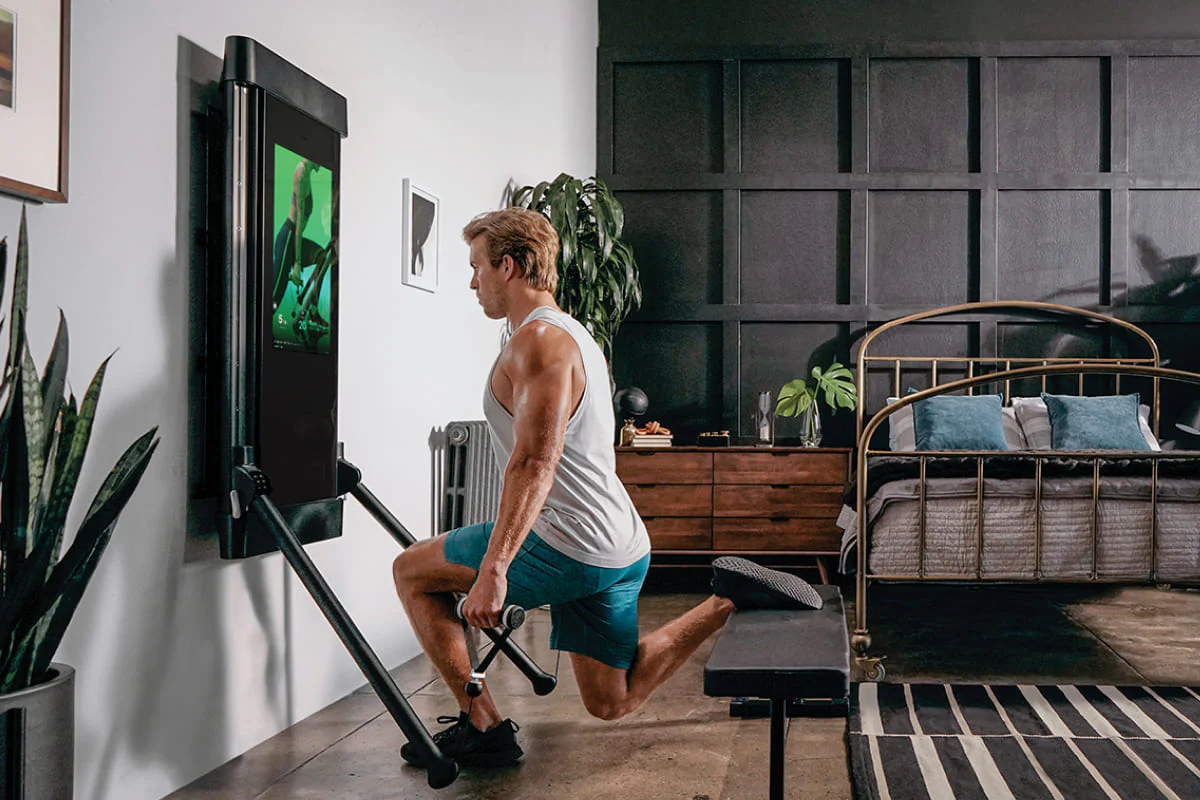
Smart gyms often feature equipment that interacts with users through touchscreens or voice commands. These machines act as virtual coaches, demonstrating proper form, counting repetitions, and adjusting intensity automatically.
Interactive tools such as virtual cycling platforms or guided treadmill runs make workouts immersive and engaging. Members can train alongside digital avatars or compete in live global leaderboards, turning exercise into an enjoyable challenge.
The blend of entertainment and functionality ensures consistency—members are more likely to stick to their programs when workouts feel dynamic and rewarding.
The Role of Artificial Intelligence in Modern Training
AI is redefining fitness programming. Instead of relying solely on human trainers, many Singapore gyms use AI systems to analyse large amounts of user data and predict optimal workout plans.
AI can:
-
Identify performance plateaus and recommend adjustments.
-
Suggest rest days or deload weeks based on fatigue levels.
-
Analyse biomechanics to prevent injuries.
-
Provide instant feedback on form using motion sensors and cameras.
By combining artificial intelligence with human expertise, smart gyms achieve an ideal balance between precision and personal touch.
Tracking Recovery for Sustainable Results
Fitness progress doesn’t come only from hard training—it also depends on how well you recover. Smart gyms use technology to track recovery metrics such as heart rate variability (HRV), muscle fatigue, and sleep quality.
These insights allow trainers to design programs that prevent overtraining. For instance, if recovery data indicates fatigue, members might be assigned yoga or mobility sessions instead of intense HIIT workouts.
This holistic approach ensures sustainability, helping members maintain progress without burning out.
Smart Nutrition and Lifestyle Integration
Beyond workouts, technology now extends to dietary and lifestyle management. Smart gym apps sync with nutrition trackers to monitor calorie intake, macronutrient balance, and hydration levels. Members can log meals, receive feedback, and align their eating habits with workout intensity.
Some systems even suggest meal plans based on biometric feedback and activity levels. This ensures that energy expenditure, recovery, and nutrient timing are perfectly aligned—a level of precision previously available only to professional athletes.
Gamification and Motivation
Another reason for the success of smart gyms in Singapore is gamification. Turning fitness into a game encourages friendly competition and commitment. Points, badges, and leaderboards create a sense of achievement, while social connectivity allows users to share milestones and motivate one another.
This combination of competition and community fosters consistency, helping members stay engaged over the long term.
Sustainability and Eco-Friendly Innovation
Singapore’s smart fitness movement also embraces sustainability. Many gyms are adopting eco-friendly solutions such as self-powered cardio machines that generate electricity during use. Others use energy-efficient lighting and digital check-ins to reduce paper waste.
The integration of health, technology, and environmental responsibility reflects a modern, forward-looking approach to wellness.
FAQ
Q1: Are smart gyms suitable for beginners?
Yes, smart gyms are beginner-friendly. Interactive machines guide form, count repetitions, and adjust intensity automatically, ensuring safe and effective training.
Q2: Do I need my own wearable device?
Not always. Many smart gyms provide integrated tracking tools or loan wearable devices that sync directly with their systems.
Q3: Can smart gym technology replace personal trainers?
While AI enhances precision, human trainers remain essential for emotional support, motivation, and technique correction. Smart gyms combine both for best results.
Q4: Is all this technology difficult to use?
Not at all. Most systems feature intuitive touchscreens and apps that guide members step-by-step through each session.
Q5: How do smart gyms protect user data?
Reputable gyms use encrypted systems to ensure privacy. Data is used solely for performance tracking and improvement, not for external sharing.
Smart fitness is no longer a futuristic concept—it’s a reality reshaping Singapore’s wellness industry. By joining a fitness gym Singapore equipped with cutting-edge technology, members can experience a smarter, safer, and more engaging way to train. Facilities like TFX represent this new generation of innovation-driven fitness, where progress is measurable, training is personal, and every workout is optimised for lasting results.