

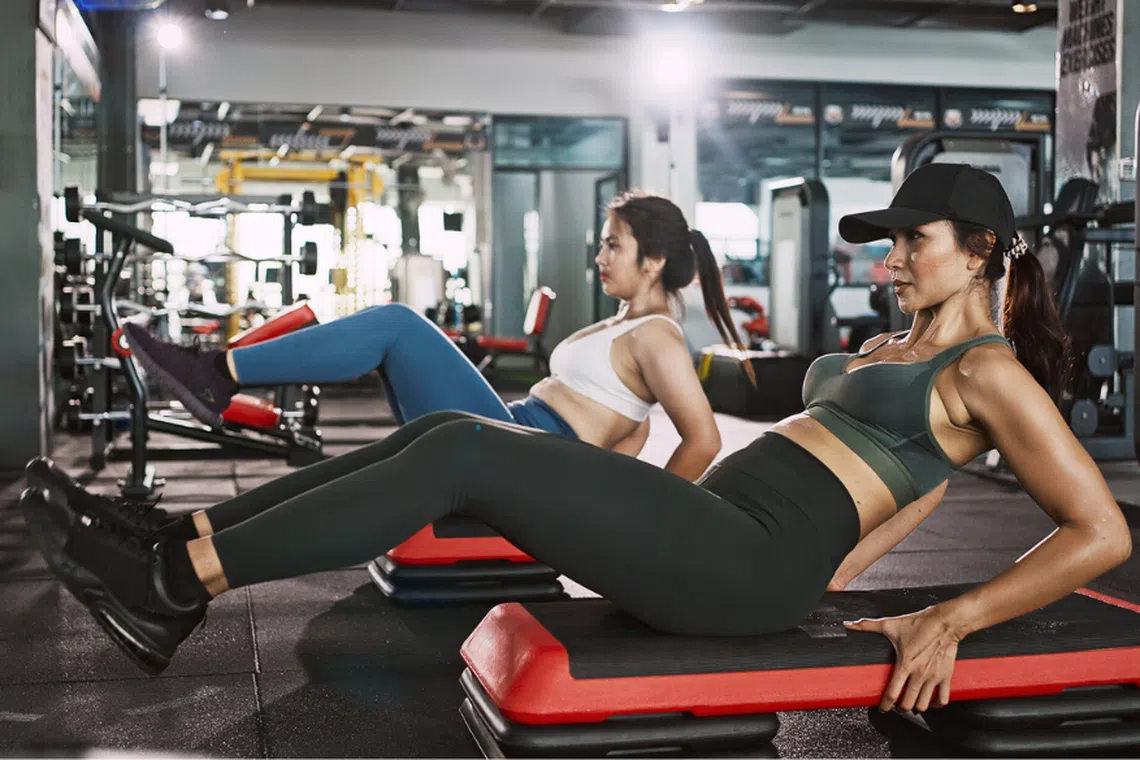
Why Technology Is Transforming Fitness in Singapore
Singapore is one of the most technologically progressive countries in the world, and this innovation driven mindset has begun reshaping the fitness landscape. Many adults now visit a fitness gym singapore not only for strength and conditioning, but also for advanced body diagnostics powered by artificial intelligence. These systems analyse movement, body composition, stress signals and performance patterns to identify weaknesses or plateaus before they appear.
The goal is simple. Instead of reacting to problems like slow progress, fatigue or injuries, AI powered assessments help users train smarter, prevent setbacks and improve long term outcomes. Technology offers accuracy, predictability and personalisation that conventional guesswork cannot match.
What AI Enhanced Diagnostics Actually Do
AI fitness systems have evolved far beyond one dimensional body fat scans or basic heart rate trackers. Today’s diagnostic tools combine multiple forms of data to create a complete picture of how the body functions.
Key capabilities include:
-
Identifying muscular imbalances
-
Analysing joint mobility
-
Tracking sleep and recovery quality
-
Measuring neurological fatigue
-
Predicting strength plateaus
-
Detecting inefficient movement patterns
-
Understanding stress loads from work or lifestyle
-
Suggesting personalised training intensities
These insights improve training decisions and help maintain consistent progress.
Why Singapore Is the Perfect Environment for AI Fitness
Singapore’s population embraces technology faster than many other regions. People here rely on digital tools for banking, transport, food delivery, communication and healthcare. This makes AI assisted fitness a natural progression. Singaporeans want efficiency, accuracy and real time feedback, which AI delivers with impressive reliability.
High humidity also affects performance, hydration and recovery. Technology helps adjust workout intensity based on environmental stress, avoiding overexertion.
Finally, busy schedules make progress tracking essential. AI reduces wasted time. It tells you what to improve, when to rest, and how hard to push.
Types of AI Diagnostic Tools Used in Modern Gyms
Several AI driven tools are becoming standard in advanced fitness facilities across Singapore. Each one provides different insights to improve training outcomes.
AI body composition analyzers
Unlike older machines that estimate fat and muscle mass, recent AI systems combine sensor data, imaging, hydration patterns and predictive modelling to provide extremely detailed readings. They track small changes that the human eye cannot detect.
Motion capture and movement analysis
Cameras detect joint angles, muscle recruitment and movement efficiency. AI identifies issues like hip shift during squats or shoulder instability during presses. This improves safety and technique.
Neural fatigue detection
Wearable or sensor based systems measure variations in reaction time, balance, grip strength or heart rate variability. From these signals, AI identifies when the nervous system is overloaded.
Metabolic rate and oxygen efficiency mapping
These systems help evaluate how quickly your body transitions between energy systems. They also show how humidity, hydration and sleep affect your performance.
Recovery readiness scoring
AI blends sleep data, heart rate patterns, muscle soreness indicators and stress levels to determine whether you should train hard or take a lighter session.
AI diagnostics create a roadmap for personal progression.
How AI Prevents Plateaus Before They Begin
Plateaus happen when the body stops adapting. In Singapore’s climate, fatigue accumulation is common, especially with long working hours and high humidity. AI helps prevent stagnation by identifying the cause before it becomes visible.
Overtraining detection
If the system sees inconsistent strength patterns or increased neurological fatigue, it signals that you need recovery.
Undertraining alerts
If intensity levels drop or movement efficiency declines, AI recommends adjustments to avoid losing progress.
Load optimisation
AI calculates ideal training weights based on real time capability, reducing risk of injury.
Hydration imbalance identification
Humidity causes higher fluid loss. AI tools assess hydration patterns through body metrics and offer guidance on timing and quantity.
Technique based plateau detection
Movement inconsistencies, even small ones, can slow progress. AI highlights these problems early so technique can be corrected quickly.
This proactive approach helps users stay ahead of slowdowns instead of reacting to them.
Why Tech Based Training Works Better Than Guesswork
People often guess when to increase weights, how long to train or how fast to progress. Guesswork is inconsistent and does not account for fatigue, stress or environment. Technology helps remove this uncertainty.
Advantages include:
-
Consistency
-
Data driven decisions
-
Higher confidence
-
Faster improvement
-
Lower injury risk
-
More focused training
-
Realistic goal setting
AI also keeps track of progress without human error. This gives a clearer understanding of what works and what needs adjustment.
How AI Supports Singapore’s Working Professionals
Most Singapore adults face lifestyle patterns that affect performance, including:
-
Long desk hours
-
Commuting fatigue
-
High stress jobs
-
Limited recovery time
-
Screen related posture issues
AI assisted systems identify these issues and design customised plans that fit your real life demands.
For example:
-
If posture declines due to long meetings, AI recommends mobility and corrective exercises
-
If sleep is poor, AI suggests lighter sessions or recovery based routines
-
If hydration is low due to back to back workdays, AI prompts reminders
This helps busy professionals stay consistent and avoid setbacks.
Combining AI With Human Expertise
While AI offers precision, human guidance remains essential. Coaches interpret data, ensure correct form and customise the plan based on personal goals. AI and coaching complement each other, creating a balanced training ecosystem.
Technology offers insights. Coaches provide context, motivation and long term planning.
How AI Enhances Strength, Cardio and Functional Training
AI does not limit itself to one type of workout. It enhances all aspects of training.
Strength training
AI determines ideal load, speed and rest to optimise muscle growth and safety.
Cardiovascular training
AI tracks heart rate zones, oxygen efficiency and endurance changes to improve conditioning.
Functional movement
AI detects imbalances and improves overall movement quality.
Every session becomes more purposeful and predictable.
How Singapore Gyms Use AI for Long Term Member Success
Gyms in Singapore often focus on consistency and progress. AI helps by:
-
Tracking long term development
-
Offering monthly comparison reports
-
Highlighting warning signs
-
Supporting measurable improvement
-
Making members feel engaged and informed
People stay more committed when they see data driven progress.
Many long term members choose established facilities like True Fitness Singapore because structured environments and reliable equipment make AI driven programmes more effective.
Real Life FAQ
Does AI replace personal trainers?
No. AI enhances trainer effectiveness by providing deeper insights and accurate data. Trainers still guide technique, motivation and planning.
Can beginners use AI diagnostics?
Yes. AI tools help beginners learn their baseline and track progress safely without overtraining.
How often should someone take AI assessments?
Most people benefit from a detailed assessment every four to six weeks. Some tools offer real time feedback during every session.
Does AI improve recovery?
Yes. AI identifies when the nervous system is fatigued, helping you adjust intensity and rest appropriately.
Is AI suitable for older adults?
Absolutely. AI highlights mobility issues, muscle imbalances and risks, making training safer for older individuals.
Does humidity affect AI readings?
Humidity affects the body, not the accuracy of AI. Instead, AI helps interpret how humidity impacts your performance.