

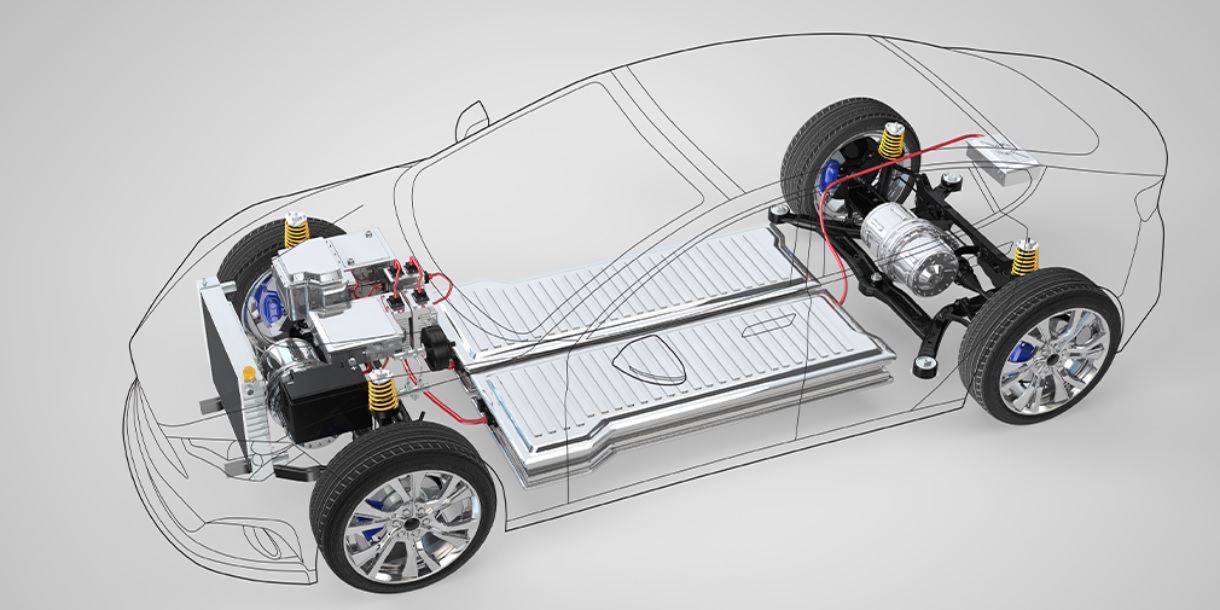
Universities today are stepping up to prepare the next wave of engineers for the electric vehicle revolution, and a big part of that involves teaching students all about electric drive train systems—the heart of how EVs actually move.
Think about it: an electric drive train is essentially the setup that takes electrical energy from a battery or fuel cell and turns it into the mechanical power that gets the wheels turning. It typically uses an electric motor (such as permanent magnet synchronous types, induction motors, or a type of brushless DC), power electronics including inverters and converters, the energy storage like batteries and sometimes fuel cells, some sort of transmission typically a single-speed gearbox, but in some advanced systems, multiple-gear transmission is provided, and a computerized control system that controls all of this. This system is also much more efficient than old-school gas engines and provides instant torque, braking energy through regenerative braking, and captures it.
Starting with the Basics
Most undergraduate and graduate engineering programs in electrical, mechanical, or automotive engineering courses start with foundational concepts in an effort to provide students with a good basis. You will observe such issues as the dynamics of vehicles, the mechanism of electromagnetism, the principles of power electronics, and the energy management strategy. Professors ensure that everyone knows why electric drive trains outperform traditional ones in efficiency and emissions combined with addressing real-world challenges such as maintaining coolness and maintaining safety with high voltages.
Simulations in the form of Labs and software are enormous in this. Students have a chance to model such aspects as torque-speed curves, observe the flow of the power through the system, and experiment with the performance under various driving cycles. Even safety is taken seriously – high voltage regulations, how to wear the right gear and how to identify and correct faults, so they are fit to work in the real jobs.
Breaking Down the Different Types
Classes usually group electric drive trains by the kind of vehicle they power, helping students see how each setup works in practice.
For Battery Electric Vehicles (BEVs), everything runs purely on electricity from big battery packs. Students dive into battery chemistry at high voltages, popular motor choices, permanent magnet synchronous or induction are common, simple single-speed transmissions, and onboard charging. Discussions cover stretching range as far as possible, setting up fast chargers, and managing battery heat to keep everything reliable.
Hybrid Electric Vehicles (HEVs) mix a gas engine with an electric motor in setups like parallel, series, or power-split designs. Coursework looks at how the electric drive train kicks in to help during acceleration, recovers energy when braking, and smartly balances both power sources to save fuel.
Plug-in Hybrid Electric Vehicles (PHEVs) take that hybrid idea further with bigger batteries you can plug in to charge from the grid. Learners explore switching between full electric mode for short trips around town and hybrid mode when you need more range, plus how these vehicles connect to the power grid and cut overall emissions.
Getting Hands-On Experience
What really brings it all together is practical work. Many schools—especially those with specialized certificates, boot camps, or dedicated EV programs—set up labs where students simulate drive train performance, experiment with motor control techniques (like field-oriented control), and even play with multi-motor designs for all-wheel drive. Group projects let them design or tweak electric drive trains for real scenarios, factoring in actual driving patterns and key metrics.
They also study real cars on the market and cutting-edge prototypes, which helps connect classroom theory to what’s happening in industry. Working across disciplines sparks fresh ideas in power electronics, battery tech, and greener transport overall.
Wrapping It Up
In the end, universities blend lectures, computer modeling, hands-on labs, and projects tied to industry needs to give students a well-rounded grasp of electric drive train technologies. Graduates walk away ready to help build more efficient, dependable, and planet-friendly electric vehicles. With the world pushing harder toward electrification, this kind of education isn’t just useful—it’s vital for keeping innovation moving forward and making sustainable driving a reality for everyone.